

Updated: Aug 4
Why Food Tastes Better on the Trail?
Why does food always taste so good after a long hike?
Maybe it is the beautiful setting. Maybe it is all the energy you used to reach that special place. Or maybe it is because someone planned a meal that fits the day.
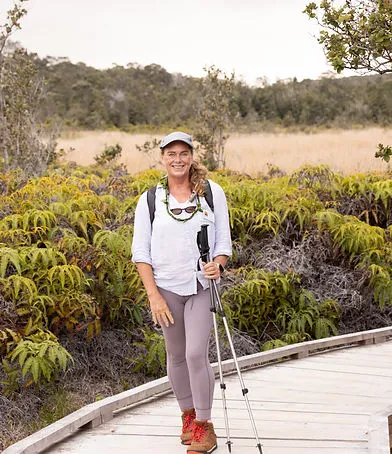
My name is Jennifer, and I am a professional hiking guide. I have guided in Yellowstone National Park and now lead guided hiking tours in Hawaiʻi Volcanoes National Park.
I have always loved preparing memorable trail meals.
One of my favorite moments is watching my guests’ faces when I unfold a blanket and reveal a fresh, colorful lunch in the middle of a beautiful landscape.
It feels like bringing a small restaurant to the trail, except nature provides the view and the entertainment.
In Yellowstone, that might be a bison walking in the distance. In Hawaiʻi, it might be an ʻapapane moving between the red blossoms of an ʻōhiʻa lehua tree.
The meal is important, but the setting makes it unforgettable.

A Trail Meal Starts With the People
I never begin by choosing a recipe.
I begin with the people who will be eating it.
Before planning the meal, I ask about:
Food allergies
Vegan, vegetarian or gluten-free preferences
Foods the guests do not enjoy
The number and ages of the hikers
Where the guests are visiting from
Any other dietary considerations
A food preference and a food allergy are not the same thing. Allergies have to be discussed clearly before the menu is chosen. I never want to guess about something that could affect a guest’s health.
The FDA currently recognizes nine major food allergens, including milk, eggs, fish, shellfish, tree nuts, peanuts, wheat, soybeans and sesame. Guests should disclose allergies before the hike so the guide can determine whether their needs can be safely accommodated.
Once I understand the group, I can begin thinking about what will feel satisfying, familiar and enjoyable after several hours on the trail.
Then I Plan Around the Hike
The same meal does not work for every hike.
I look at:
Distance
Difficulty
Expected hiking time
Elevation and terrain
Weather forecast
The amount of food and equipment we can reasonably carry
A short rainforest walk does not require the same meal as a longer day across exposed volcanic terrain.
The National Park Service includes food among the essentials for hiking in Hawaiʻi Volcanoes National Park and recommends eating and drinking regularly rather than waiting until hikers already feel depleted.
I want the meal to provide enough energy for the day, but it also has to be something guests will genuinely look forward to eating.
Food for Cool and Rainy Days
When the forecast is cool, wet or windy, I like to include something warm.
Depending on the hike, that might be:
Stew
Miso soup
Pasta
A warm rice dish
Hot cocoa
A warm meal can completely change the feeling of a cold hiking day. It gives everyone a reason to stop, rest and enjoy the landscape instead of rushing through the break.
Food for Warm Days
On warmer days, I usually think about lighter and fresher foods.
Some of my favorite options include:
Fresh fruit
Salads
Hummus
A charcuterie plate
Rice bowls
Fresh vegetables
Salmon, chicken, beef or tofu
A Favorite Trail Fruit: Dragon Fruit
One fruit I love bringing on hikes in Hawaiʻi Volcanoes National Park is dragon fruit.
The one pictured came from Makuʻu Farmers Market in Pāhoa, where you can often find locally grown fruit that is colorful, fresh and perfect for a warm day outside.
The white-fleshed dragon fruit grows on a climbing cactus that is also called Honolulu Queen. Its large flowers open at night. The plant originated in parts of southern Mexico and Central America, but it now grows in warm climates around the world, including Hawaiʻi.
To me, the flavor is somewhere between a kiwi and a pear. It is mild, slightly sweet and refreshing without feeling heavy.
And I still think it looks like a dragon’s egg.
That is part of the fun of bringing it on a hike. Many guests have seen dragon fruit in a market but have never tried it fresh. It gives us something new to taste and talk about while we stop and enjoy the landscape.
Dragon fruit also provides carbohydrates and fiber in a relatively light serving. Nutritional values vary by variety, but a 100-gram portion commonly provides about 60 calories, 13 grams of carbohydrates and 3 grams of fiber.

A gluten-free meal might be a large salad with grilled beef, salmon or chicken. It can still be colorful, filling and special without feeling too heavy.

One combination I especially enjoy is a bowl with rice, tofu, cucumber, avocado, nori and sesame. It has different textures, travels well when properly packed and can be adjusted around the guest’s dietary needs.

When I Bring Something Hot?
For hot food, I have used both a Jetboil cooking system and an MSR PocketRocket stove.
I like the Jetboil because it is fast and convenient. The PocketRocket is a simpler and usually less expensive option.
A portable stove should only be used where it is permitted and where the conditions allow it to be operated safely. Open fires are prohibited in Hawaiʻi Volcanoes National Park’s backcountry, while appropriate cookstoves are included in the park’s recommended backcountry equipment.

Food Safety Is Part of the Plan
A beautiful trail lunch is only successful when it has been transported and served safely.
Before choosing a meal, I also have to decide:
How the food will stay cold
Whether hot food can be prepared safely
How long it will remain in the pack
How ingredients will be separated
How everything will be carried out after the meal
Perishable food needs a reliable cold source. USDA guidance recommends keeping cold food at 40°F or below. Perishable food should not remain above that temperature for more than two hours, or more than one hour when the outside temperature is above 90°F.
Frozen gel packs, insulated containers and frozen drinks can help keep food cold during the hike. Hot meals also need to remain hot or be prepared shortly before they are eaten.
Food safety cannot be added at the last minute. It has to be part of the menu plan from the beginning.
After the meal, every wrapper, food scrap and piece of packaging comes back with us.
Even biodegradable food should not be left on the trail. Hawaiʻi Volcanoes National Park asks visitors to carry out their waste and never feed wildlife.
That responsibility is part of the Leave No Trace approach we bring to every hike.
Meals I Still Remember
Some trail meals are simple. Others become part of the story of the day.
I have prepared many different meals during my years of hiking and guiding, but these are a few I still remember.
Not every hike needs an elaborate spread. The meal should always match the trail, the group and the conditions.
Yellowstone River Seafood Dinner:
Crab legs, shrimp and roasted zucchini beside the Yellowstone River.
It was an all-out outdoor dinner in a setting that no restaurant could reproduce.

Fresh Scallops:
Fresh scallops prepared outdoors.
A simple ingredient can become a memorable meal when it is cooked and enjoyed in the right place.

Tako With Fresh Cucumber:
Thinly sliced tako with fresh cucumber.
It was light, fresh and easy to enjoy after time outside.

Fresh Fruit With Lime and Basil:
Fresh berries, melon and other fruit finished with lime and freshly cut basil.
The lime adds brightness, while the basil makes a simple fruit platter feel more intentional.

Tofu Musubi With Spicy Aioli:
Tofu musubi served with spicy aioli.
It is compact, satisfying and easy to divide into individual portions.

The Meal Is Part of the Experience
The best trail meal is not always the most expensive or complicated one.
It is the meal that belongs to that particular day.
On a cold hike, it may be soup or hot cocoa. On a warm day, it may be fresh fruit, salad or a rice bowl. On a longer adventure, it may need more protein, carbohydrates and larger portions.
What matters is that the food has been planned with the guests, the trail and the weather in mind.
When I spread out a meal in a beautiful place and see everyone stop, relax and enjoy it, I know the preparation was worthwhile.
Hiking and creating a memorable lunch or dinner is fun, personal and deeply rewarding.
Visitors interested in exploring Kīlauea can compare our current guided hikes and meal inclusions. Because inclusions can vary between experiences, guests should review the current tour details or contact us before booking.
The company’s current booking information describes small-group and private tours of different durations, including longer hiking experiences.
Frequently Asked Questions
What makes a good hiking lunch?
A good hiking lunch fits the distance, weather, effort and needs of the group. It should be easy to carry, safe to store, enjoyable to eat and substantial enough for the planned activity.
How do you plan for food allergies and dietary preferences?
I ask about allergies, dietary preferences and foods guests avoid before choosing the menu. Allergies require special attention, and guests should disclose them before booking so we can confirm whether they can be safely accommodated.
What food works best in warm or cold weather?
Warm meals such as soup, stew, pasta or hot cocoa can be comforting on cool days. Fruit, salads, hummus, rice bowls and lighter meals often work better in warm conditions.
Is lunch included with every Volcanoes Hiking Guides tour?
Meal inclusions can vary by tour and may change. Review the current booking information for the specific hike or contact Volcanoes Hiking Guides before booking.


Comments